
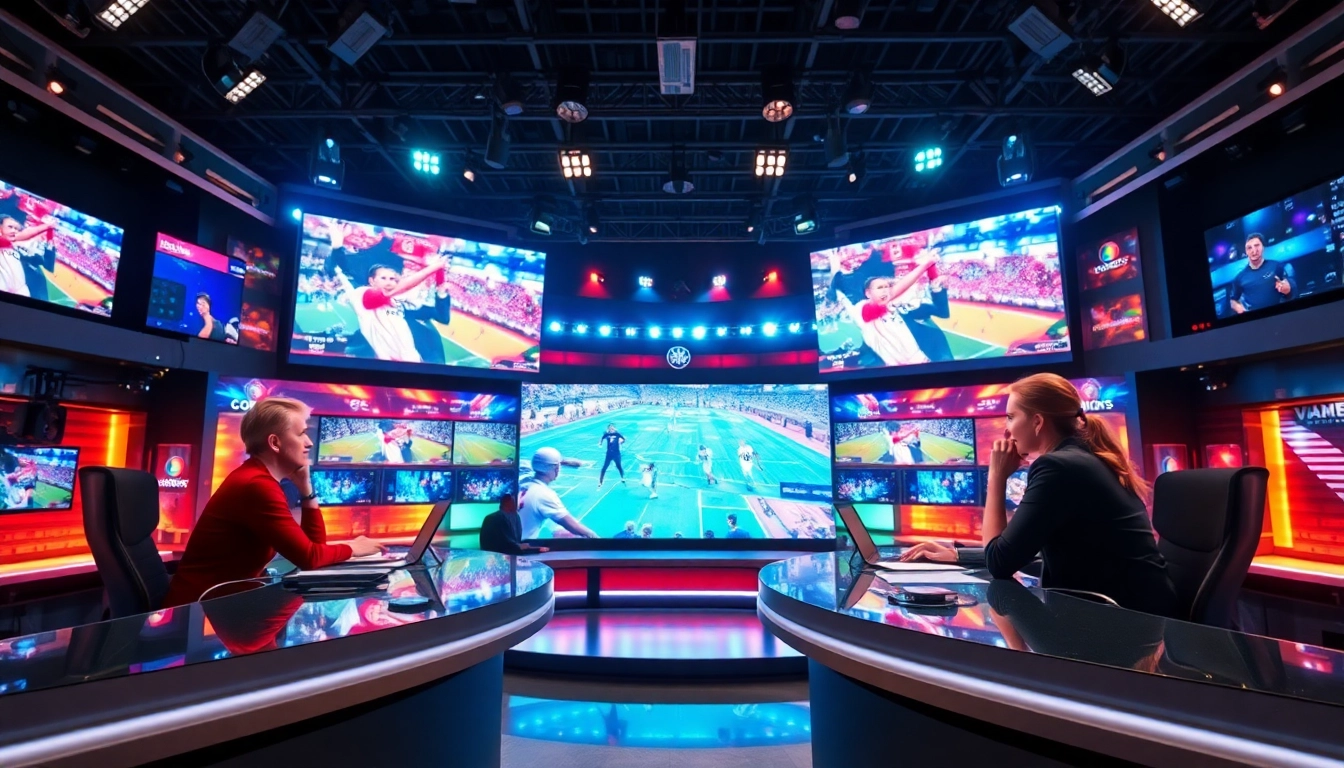
Understanding Sports Broadcasting
What is Sports Broadcasting?
Sports broadcasting refers to the dissemination of sports events via various media forms, including television, radio, and the internet. It includes live coverage of events, commentary, analysis, and highlights, aimed at delivering engaging and informative content to sports enthusiasts. Effective sports broadcasting involves not just the act of relaying events but also enhancing viewer experience through storytelling, expert insights, and robust interaction with the audience. In today’s digital age, Sports Broadcasting has evolved significantly, adapting to new platforms and technological advancements.
The Evolution of Sports Broadcasting
The journey of sports broadcasting began in the early 20th century with radio broadcasts, evolving into television coverage in the 1950s. This transformation marked a pivotal moment in how sports were consumed. Initially, broadcasts were limited to major events, but as technology advanced, so did the availability and accessibility of sports content. Today, we witness an era dominated by high-definition broadcasts, live streaming, and on-demand content, allowing fans to engage with their favorite sports like never before.
Key Components of Sports Broadcasting
A successful sports broadcast relies on several key components that work harmoniously to deliver a captivating viewer experience. These include:
- Production Crew: This group comprises camera operators, sound engineers, and directors, who ensure smooth transmission of events.
- Commentary Teams: Analysts and commentators provide insights and context, elevating the viewing experience through expert analysis.
- Technology: High-tech equipment, including cameras, drones, and graphics software, play a vital role in producing high-quality broadcasts.
- Viewer Interaction: Engaging with viewers through social media and live polls amplifies the sense of community and enhances participation.
Essential Techniques for Effective Sports Broadcasting
Preparing for a Live Broadcast
Preparation is paramount in successful sports broadcasting. This involves extensive research on teams, athletes, and previous match statistics. Creating comprehensive storylines about the teams involved and mapping out key talking points ensures that commentators deliver insightful and engaging content. Additionally, technical rehearsals are essential to avoid glitches during live transmission.
Engaging Your Audience During Broadcast
Dynamic engagement strategies, such as real-time social media interactions and viewer polls, can enrich the audience's experience. Broadcasters should encourage audiences to share their thoughts and predictions related to the event, fostering a sense of inclusion. Utilizing guest analysts or on-field interviews can also introduce varied perspectives, keeping the narrative fresh and compelling.
Utilizing Technology in Sports Broadcasting
Technology has revolutionized how sports are broadcasted. The integration of augmented reality (AR) overlays, enhanced analytics graphics, and multi-camera angles provides a richer viewing experience. Virtual reality (VR) is beginning to shape immersive viewing, enabling fans to "attend" games from their homes. Staying abreast of technological advances allows broadcasters to experiment and innovate, enhancing viewer satisfaction.
Challenges in the Sports Broadcasting Industry
Balancing Viewer Expectations and Reality
Viewers come with high expectations regarding commentary quality, event coverage, and production values. Balancing these expectations with the realities of live broadcasting presents a challenge. It’s essential to present authenticity, especially when unexpected events occur, while still maintaining a polished narrative that resonates with viewers.
Managing Live Feed Interruptions
Live broadcasts are susceptible to interruptions due to technical errors, weather conditions, or unforeseen circumstances. Training the production crew to handle such disruptions seamlessly can mitigate viewer frustration. Backup systems, swift transitions to alternative content, and clear communication with the audience are crucial strategies for effective management.
Adapting to Rapidly Changing Technologies
The pace of technological innovation necessitates that broadcasters remain agile and adaptable. Keeping up with trending platforms and production techniques is vital not just for relevancy but also to attract a younger audience that prefers digital consumption. Continuous training and investment in new technologies can aid broadcasters in staying ahead of the curve.
Innovative Trends Shaping Sports Broadcasting
The Role of Streaming Services
Streaming services have dramatically altered the sports broadcasting landscape. Platforms now offer live sports as part of their content libraries, changing how audiences consume their favorite sports. This shift has led traditional broadcasters to rethink their strategies, often leading to innovative partnerships between platforms to maximize reach and engagement.
Enhancing Viewer Experience with Interactive Technology
Interactive technology, such as companion apps and gamified features during broadcasts, enhances viewer participation. Fans can provide live input, access in-depth stats, or enjoy personalized viewing experiences tailored to their preferences. Such technologies provide broadcasters with new avenues to engage their audience, making watching sports more interactive than ever.
Future Innovations in Sports Broadcasting
The future of sports broadcasting promises exciting innovations. Developments in artificial intelligence (AI) and machine learning may soon offer automated production techniques, allowing for faster and more efficient broadcasts. Predictive analytics can also be integrated into live commentary, providing fans with real-time statistical insights during events, thereby deepening engagement.
Performance Metrics in Sports Broadcasting
Analyzing Viewer Engagement
Understanding viewer engagement is crucial for sports broadcasters. Employing analytics tools helps track viewer behavior, such as average watch time, peak viewership, and interactions during broadcasts. This data can guide content strategies, enabling broadcasters to refine their approach to better meet audience needs.
Understanding Ratings and Reach
Television ratings provide insight into the reach of broadcasts. Ratings indicate how many viewers tuned in during specific times, guiding advertisers and sponsors. By analyzing these patterns, broadcasters can strategize on which segments of events to promote, tailoring their content to fit audience preferences.
Feedback Mechanisms for Continuous Improvement
Implementing feedback mechanisms allows broadcasters to gather insights from viewers post-event. Surveys, focus groups, and social media feedback can provide valuable information. This continuous feedback loop fosters improvement, ensuring that broadcasters evolve in line with their audience's expectations and preferences.
Frequently Asked Questions
What types of media are used in sports broadcasting?
Sports broadcasting utilizes various media forms, including television, radio, online streaming platforms, and social media. Each medium has unique advantages for audience engagement.
How has technology changed sports broadcasting?
Technology has introduced high-definition visuals, real-time statistics, AR, VR, and interactive features, enhancing viewer experiences and engagement with events.
What are the challenges in sports broadcasting?
Challenges include managing viewer expectations, dealing with live feed interruptions, and adapting to rapid technological changes, requiring constant innovation and training.
How do broadcasters engage their audience during events?
Broadcasters engage audiences by using real-time polls, social media interaction, guest analysts, and providing rich storytelling to keep viewers invested throughout the event.
What metrics are important in sports broadcasting?
Key metrics include viewer engagement, ratings, audience reach, and feedback, which help broadcasters fine-tune their content and strategies effectively.